If you are comparing frequency healing vs reiki, you are not alone.
Many people want gentle, non-invasive support for stress, energy balance, and overall rejuvenation, but they are not always sure how these two approaches differ.
Both practices are designed to support well-being, yet they work in distinct ways.
Understanding those differences can help you choose the experience that feels right for your body, mind, and goals.
What frequency healing vs reiki really means
Frequency healing uses specific sound, vibration, or energetic frequencies to support the body’s natural ability to restore balance.
The idea is that the body responds to healthy resonant input, much like an instrument responds to tuning.
Reiki is a Japanese energy healing practice in which a practitioner channels universal life force energy through gentle touch or hands placed just above the body.
The goal is to encourage relaxation, energetic flow, and a sense of inner harmony.
In simple terms, frequency healing often focuses on the power of specific frequencies, while Reiki focuses on channeled energy.
Both are calming and supportive, but the method and feel of the session can be quite different.
How frequency healing works
Frequency healing is based on the idea that everything in the body carries vibration.
When stress, fatigue, or emotional strain build up, that inner rhythm may feel less balanced.
What to expect in a session
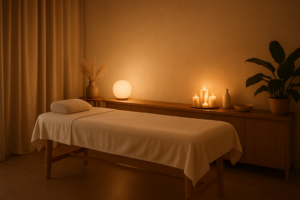
A session may involve listening to specific tones, resting in a peaceful environment, or receiving carefully selected frequencies intended to encourage rejuvenation.
Many people describe the experience as deeply grounding and soothing.
Why people choose it
- They want a gentle wellness approach that feels relaxing.
- They are curious about how vibration may affect mood and energy.
- They want support for rest, focus, and overall energetic balance.
At its core, frequency healing aims to create an environment where the body can settle and reset.
That is why it is often chosen by people looking for a refreshing, restorative experience.
How Reiki works
Reiki centers on the practitioner serving as a channel for healing energy.
The client remains fully clothed and usually lies down or sits comfortably during the session.
What a Reiki session feels like
Many clients report warmth, tingling, emotional release, or deep calm.
Others simply feel peaceful, quiet, and more centered afterward.
Why people choose Reiki
- They want stress relief and relaxation.
- They prefer a more traditional energy healing approach.
- They are drawn to the personal presence of a practitioner’s hands and intention.
Reiki is often valued for its simplicity and comforting nature.
For many people, it feels nurturing and emotionally supportive.
7 key differences between frequency healing and Reiki
- Method: Frequency healing uses selected frequencies or vibrations, while Reiki uses channeled life force energy.
- Session focus: Frequency work often emphasizes resonance and energetic tuning, while Reiki emphasizes energy flow and balance.
- Sensory experience: Frequency healing may involve audible or felt vibration, while Reiki is usually quieter and more subtle.
- Practitioner role: In Reiki, the practitioner actively channels energy through presence and hand placement.
- Client preference: Some people enjoy the structured feel of frequencies, while others prefer the human touch element of Reiki.
- Intention: Both seek relaxation and balance, but they approach that goal through different energetic frameworks.
- Rejuvenation style: Frequency healing is often chosen by those seeking a fresh, restorative reset, while Reiki may appeal to those wanting calm emotional support.
Benefits people often look for
Neither approach is a replacement for medical care, but both can be meaningful additions to a wellness routine.
People often seek them out for support in everyday life.
Common reasons clients explore these services
- Stress and overwhelm
- Mental fatigue
- Difficulty unwinding
- Low energy
- A desire for deeper self-care
- Interest in spiritual or energetic wellness
The most important benefit is often simple.
People want to feel more like themselves again.
Which one is right for you
If you are deciding between these options, start with what feels most natural to you.
Your comfort and curiosity matter more than choosing the perfect label.
Frequency healing may be a good fit if you:
- Feel drawn to sound, vibration, or resonance
- Want a rejuvenating and restorative experience
- Are interested in specific energetic frequencies
Reiki may be a good fit if you:
- Prefer a traditional hands-on or hands-above energy practice
- Want a nurturing, quiet session
- Feel connected to the idea of universal life force energy
Some people try both and discover that each offers something valuable.
You do not have to treat them as opposing choices.
Can frequency healing and Reiki complement each other
Yes, many people find that these approaches can work beautifully together.
One may help create a sense of energetic alignment, while the other supports deep relaxation and emotional ease.
For example, someone might use frequency healing when they want a sense of renewal and vibrational support.
They may choose Reiki at another time when they want quiet comfort and a gentle energetic reset.
The best wellness plan is often the one that meets you where you are.
Your needs may change from week to week, and that is completely normal.
Final thoughts on frequency healing vs Reiki
When comparing frequency healing vs reiki, the biggest difference is how each practice approaches balance.
Frequency healing works through selected vibrational support, while Reiki works through channeled energy and intentional presence.
Both can be calming, supportive, and deeply meaningful.
The right choice depends on what kind of healing experience feels most aligned for you.
If you are curious about special healing frequencies for rejuvenation and want help deciding what may fit your goals, contact Victoria Anest at The Healing Frequency Space.
She would be happy to answer your questions and help you explore your next step.